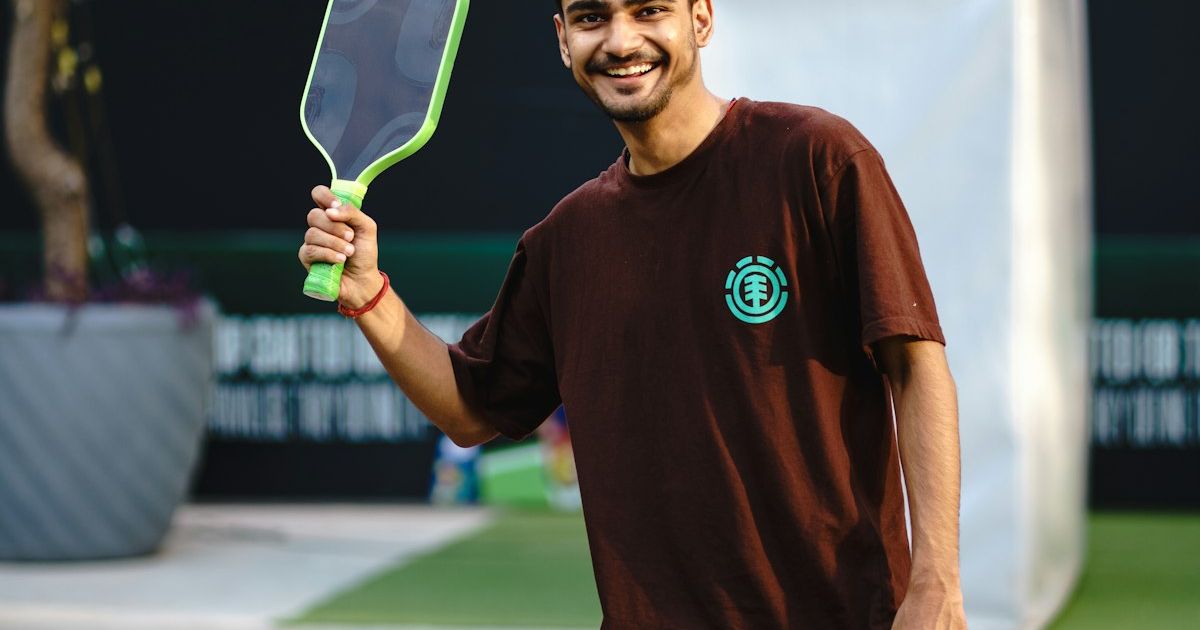
Learn weight, grip, core thickness, face materials, and shapes so you can buy your first or next pickleball paddle with confidence.
By Deco · Published July 1, 2026 · Last updated July 25, 2026
Quick answer
Choose a paddle by weight comfort, grip size, and the job you need (control, power, or spin)—not by pro logos. Midweight control-oriented frames are the safest first upgrade for most weekly club players.
If you are staring at a wall of paddles and feeling lost, you are not alone. Choosing a pickleball paddle is less about chasing a pro setup and more about matching the paddle to how you actually play.
Static weight is the number on the sheet; swing weight is how heavy it feels when you accelerate. Beginners usually want a paddle that does not punish late preparation. If your elbow complains after two games, go lighter before blaming your technique for everything. Full shopping comparison: lightweight vs midweight vs heavy paddles.
2. Grip size and handle length
A grip that is too large kills wrist action. Too small and you over-squeeze. Elongated handles help two-handed backhands; standard handles suit classic doubles blocking patterns.
3. Core thickness
Thicker cores around 16mm generally offer more dwell and control. Thinner cores can feel poppier. For outdoor play — where the ball can skid in cold weather — a 16mm control-oriented paddle is a safer first buy for most recreational players. Full shopping comparison: 14mm vs 16mm paddles.
4. Face material
Fiberglass faces often feel trampoline-like. Carbon faces reward brush contact with spin. Read carbon fiber vs fiberglass before you overspend on a spin paddle you are not ready to use.
5. Shape
Widebody shapes enlarge the sweet spot. Elongated shapes add reach for singles and drive-heavy doubles. Exciting? Yes. Forgiving off-center? Less so. Full shopping comparison: elongated vs widebody paddles.
A simple buying framework
Where do I play? Indoor gyms and outdoor acrylic play differently. The ball usually changes more than a second paddle — see indoor vs outdoor paddles.
What is my identity for the next year? Dinker, driver, or all-court — be honest.
What is my budget band? Use price tiers, not obsession over a sticker number.
Recommended starting points from our catalog
These are catalog references, not live checkout prices. Always confirm on the store.
Accessible carbon entry: JOOLA Vision C15
True budget fiberglass: niupipo Fiberglass
Control-first value: Selkirk SLK Halo Control XL
Classic control graphite: Onix Graphite Z5
Want spin or power later? Graduate to the spin and power guides once your contact is consistent — those shortlists are where the $$$ flagships belong.
Beginner-to-intermediate paddle shortlist
Product
Brand
Price tier
Standout trait
Store
JOOLA Vision C15 Pickleball Paddle
JOOLA
$$$$$
Accessible Carbon Fiber face for players upgrading from wood paddles
Shortlist two or three paddles in the same weight class, check the store return windows, then play three sessions: soft game, driving night, and tired-legs night. Keep the paddle that stays comfortable when you are late to the ball.
Club booking culture, shared carts, and mixed-skill round robins mean your gear has to work for imperfect warmups. Arrive with shoes that do not need a three-week break-in and a paddle you can dink with before your shoulder is hot. If you travel between provinces for tournaments, pack a spare overgrip, and verify your portable net’s packed dimensions fit your trunk without crushing the frame.
When friends ask for a single recommendation, answer with a question: what problem are you solving? Elbow fatigue, missing drops, slipping on dust, or hosting driveway games each point to different catalog picks. That question is the difference between a useful affiliate site and a keyword farm.
Most beginners do well with a midweight paddle that balances power and control. If your arm fatigues quickly, go lighter before chasing pop.
Is a more expensive paddle always better?+
No. A forgiving control paddle often helps new players more than a stiff power frame designed for advanced drivers.
Should I buy fiberglass or carbon fiber first?+
Accessible entry carbon or fiberglass-feeling paddles are fine to start. Raw carbon shines once you can consistently generate brush contact.
What grip size do I need?+
Choose a grip that lets your fingers wrap comfortably without straining. Many players start mid-size and add an overgrip.
Where should you buy paddles?+
Use the catalog buttons on this site. The Canadian host opens Amazon.ca and the US host opens Amazon.com — each with its own Associates tag. Confirm the seller and current price at checkout.
Deco (Declan Martin) is the founder and editor of US Pickleball Court and The Pickleball Court. He builds catalog-backed buying guides for paddles, court shoes, balls, bags, apparel, accessories, and portable nets, plus pro tour news and where-to-play coverage for US and Canadian players. Focus: verified facts, clear product comparisons, and honest disclosures — not hype.